The Interplay Between RNG Certification Standards and Payout Verification Processes in European Digital Gaming Networks
Theo Long · Aug 22, 2026
The Interplay Between RNG Certification Standards and Payout Verification Processes in European Digital Gaming Networks
Core Elements of RNG in Regulated European Platforms
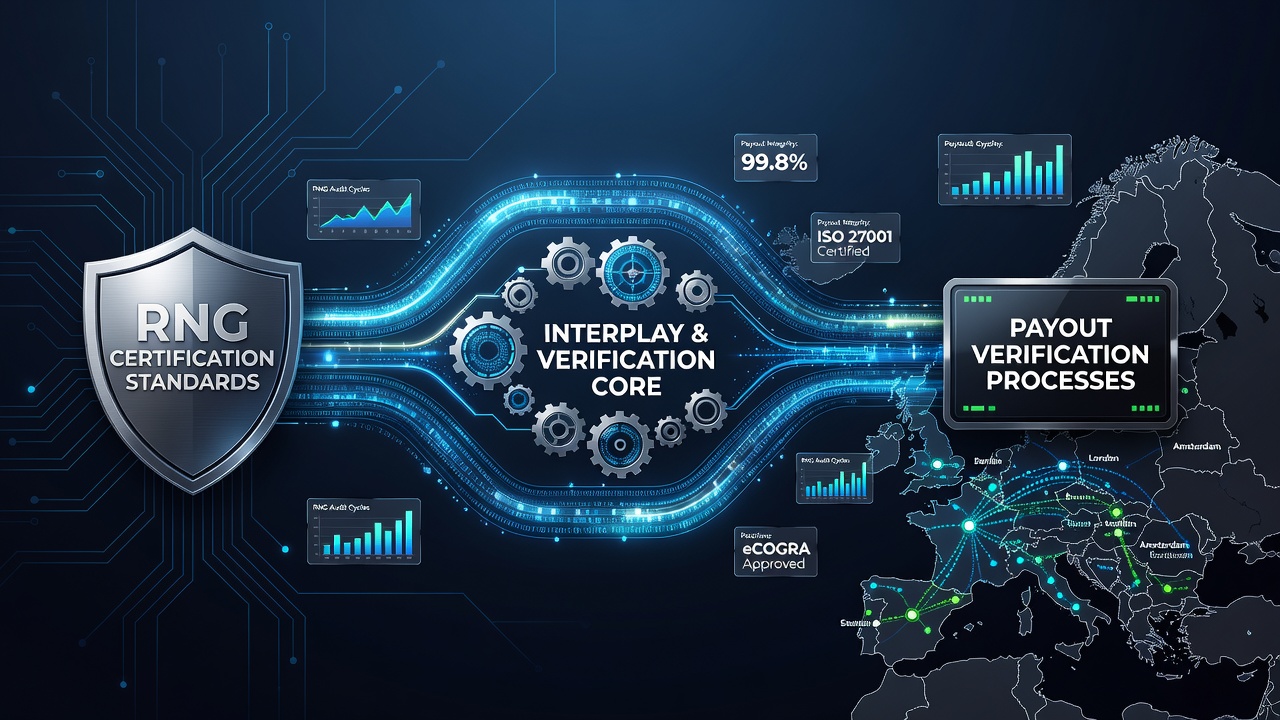
Random Number Generators form the foundation of fairness in digital gaming networks across Europe, where operators must secure certification from accredited testing laboratories before launching any game titles; these labs evaluate algorithmic integrity, periodicity, and resistance to prediction under standards set by bodies such as the Malta Gaming Authority and the Gibraltar Regulatory Authority. Data from industry audits indicate that certified RNG systems undergo continuous monitoring cycles, often quarterly, to confirm that output sequences remain statistically random and free from bias that could affect game outcomes.
European frameworks require RNG implementations to meet specific entropy thresholds and pass suites like Diehard and NIST statistical tests, while operators integrate these certified modules into slot machines, table games, and live dealer environments to maintain consistent randomness across platforms.
Standards Governing Certification Across Jurisdictions
Certification processes vary yet align on core principles, with labs issuing reports that detail test methodologies, sample sizes exceeding one million spins or draws, and compliance with ISO 17025 laboratory accreditation; researchers tracking regulatory evolution note that harmonization efforts within the European Union have accelerated since 2024, leading to shared recognition of certificates among multiple member states by August 2026. Observers point out that this timeline coincides with updates to technical specifications from the European Committee for Standardization, which emphasize enhanced documentation for RNG seed generation and reseeding protocols.
Those who monitor compliance records find that failure rates during initial certification hover around 12 percent, primarily due to insufficient entropy sources or detectable patterns in pseudo-random sequences, prompting operators to revise code before resubmission.
Payout Verification Through RTP Auditing
Return to Player verification operates alongside RNG certification by comparing theoretical percentages against actual results over defined periods, typically requiring operators to maintain RTP figures within a 0.5 percent tolerance band of advertised values; regulatory agencies in jurisdictions like the Netherlands and Sweden mandate independent audits that sample transaction logs exceeding 10 million game rounds to validate these metrics. Evidence from aggregated industry reports shows that discrepancies often trace back to RNG implementation errors rather than deliberate manipulation, underscoring the direct linkage between randomness quality and payout accuracy.
Verification teams employ statistical sampling methods, including chi-square analysis and runs tests, to detect deviations, while automated systems flag anomalies in real time for manual review by certified auditors.
Connections Between RNG Integrity and Verified Payouts
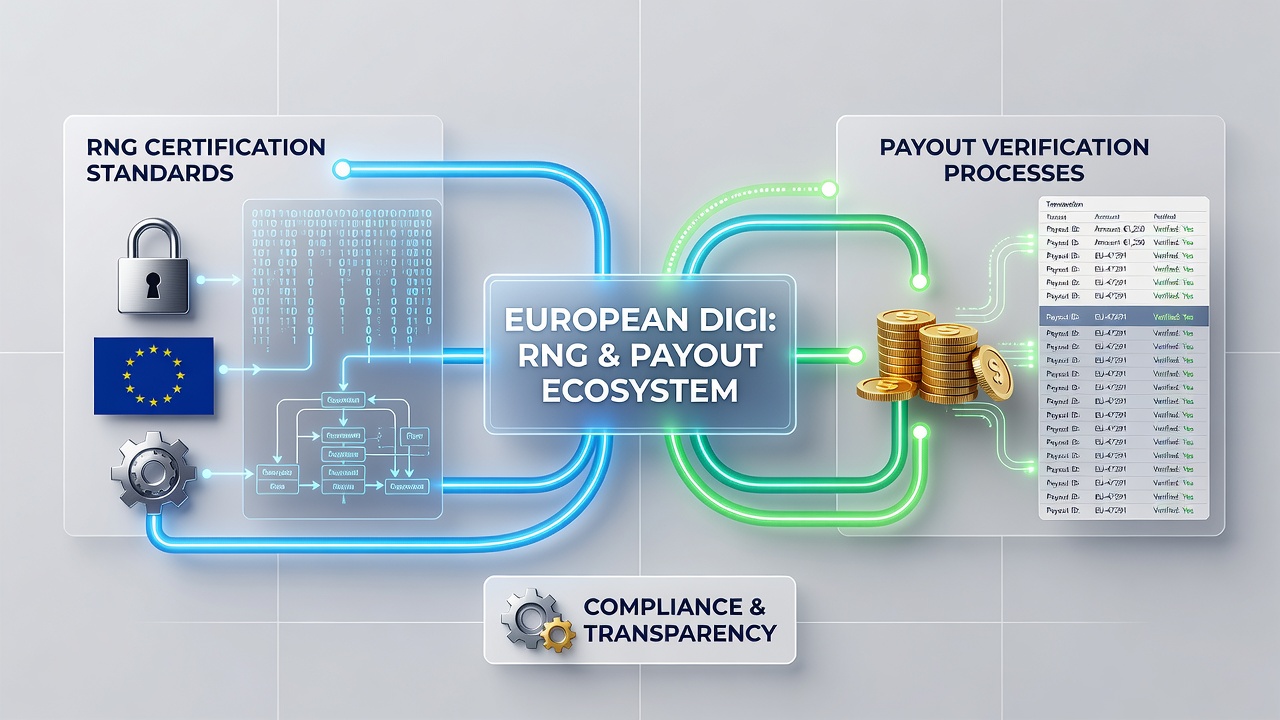
The relationship emerges clearly when RNG flaws alter outcome distributions, which in turn skew RTP calculations and trigger compliance investigations; a study published by the European Gaming Institute in 2025 documented cases where minor seed initialization bugs produced measurable RTP drifts of up to 1.8 percent over extended play periods. Regulators therefore require operators to demonstrate that certified RNG modules feed directly into payout calculation engines without intermediate modifications, creating an auditable chain that spans from random sequence generation to final prize distribution.
Network operators in multi-jurisdictional setups often maintain centralized logging systems that feed data to both RNG certifiers and payout auditors, allowing cross-verification of the same underlying datasets.
Developments Expected by August 2026
Upcoming changes scheduled for August 2026 include mandatory adoption of quantum-resistant RNG algorithms in select European markets, driven by concerns over future computational threats to current cryptographic standards; preliminary guidance from the European Commission highlights the need for hybrid systems that combine classical and post-quantum methods to preserve both randomness and payout predictability. Figures from pilot programs in licensed networks reveal that these upgrades reduce vulnerability windows while maintaining existing RTP verification intervals, though implementation costs have prompted some smaller operators to consolidate testing partnerships.
Industry associations such as the European Gaming and Betting Association have published timelines detailing how these standards integrate with existing payout audit schedules, emphasizing seamless data exchange between certification labs and regulatory databases.
Practical Examples from Network Operations
One network spanning multiple EU countries implemented a unified RNG certification portal in early 2025 that automatically routes payout verification data to participating regulators, cutting audit preparation time by 35 percent according to internal metrics shared with research partners; another case involved a live casino provider that detected an RNG drift through routine RTP monitoring, leading to proactive recertification before any player complaints arose. Such instances illustrate how interconnected processes allow early intervention when statistical thresholds are approached.
Academic analyses from institutions like the University of Malta's gaming research center further examine these dynamics, linking certification rigor to lower incidence of payout disputes across the continent.
Conclusion
European digital gaming networks continue to refine the alignment between RNG certification and payout verification through shared data protocols, updated technical standards, and cross-border regulatory cooperation that will intensify by August 2026. These mechanisms ensure that randomness properties directly support accurate payout outcomes while meeting diverse jurisdictional requirements without overlap or contradiction.