Mapping How Certification Updates Shape Reward Distribution Patterns in Wireless Interactive Gaming Environments
Theo Long · Oct 20, 2026
Mapping How Certification Updates Shape Reward Distribution Patterns in Wireless Interactive Gaming Environments
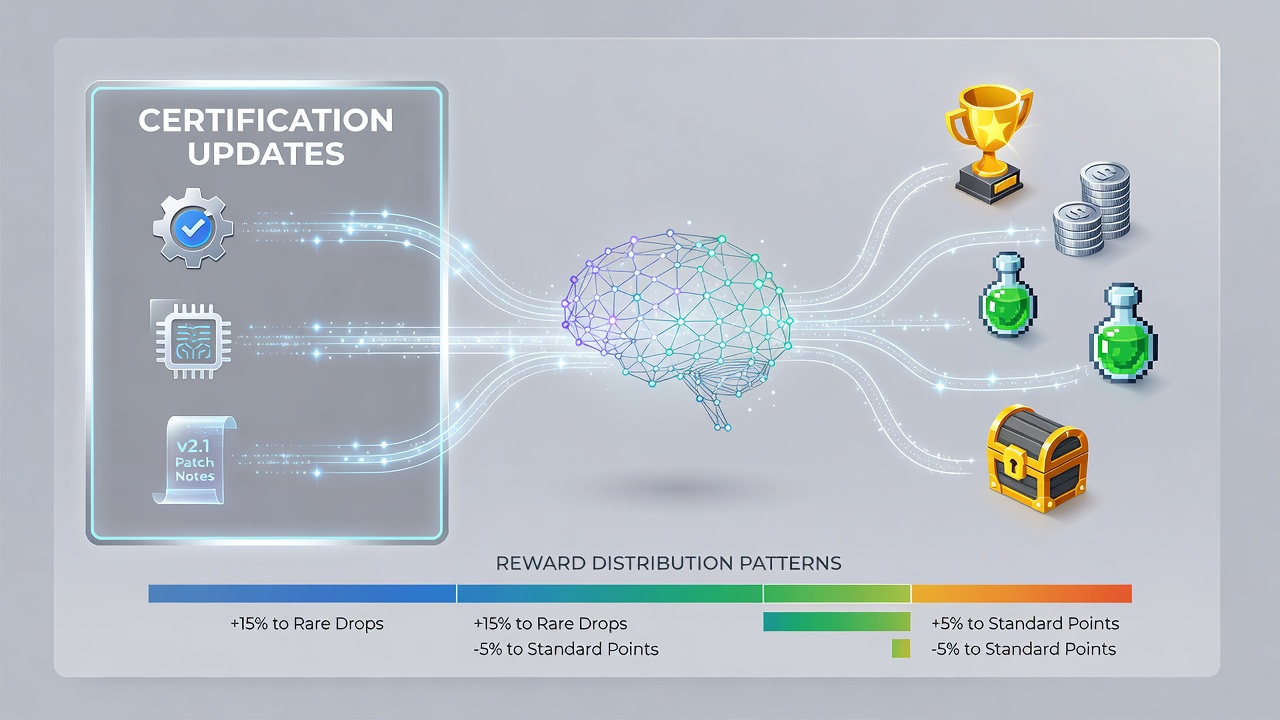
Certification updates in wireless interactive gaming environments drive measurable shifts in reward distribution patterns, and operators track these changes through detailed mapping of payout sequences across mobile networks. Research indicates that revised standards for random number generators and fairness verification alter how prize pools allocate rewards to players in real time, creating new statistical distributions that emerge after each major protocol revision. In October 2026, several wireless platforms reported adjustments to their reward engines following the rollout of updated certification frameworks from regional authorities.
Core Mechanisms of Certification in Mobile Gaming Networks
Wireless interactive gaming relies on continuous certification processes that verify software integrity and fairness parameters before operators deploy updates to live environments. These processes require providers to submit code revisions for independent review, after which approved changes affect reward calculation routines that determine prize frequency adn size. Data from industry monitoring groups shows that certification cycles typically span three to six months, and each cycle introduces modifications to variance controls that reshape reward patterns in multiplayer sessions.
Observers note that certification bodies evaluate both the technical implementation of reward algorithms and their statistical outcomes under simulated load conditions. When new requirements mandate tighter bounds on return-to-player percentages, operators recalibrate distribution models to maintain compliance, which produces observable clustering of higher-value rewards at different intervals than previous versions allowed. Researchers at academic institutions have documented these shifts through longitudinal studies that compare pre-update and post-update data sets from the same wireless platforms.
Data Patterns Emerging After Recent Protocol Revisions
Mapping exercises conducted across multiple wireless networks reveal that certification updates often trigger temporary spikes in mid-tier reward allocations before systems stabilize at new equilibrium points. One study revealed that platforms adopting updated fairness modules in early 2026 experienced a redistribution where rewards previously concentrated in bonus rounds spread more evenly across base game outcomes. This redistribution occurred because revised testing protocols demanded broader sampling of outcome sequences during certification, prompting developers to adjust probability tables accordingly.
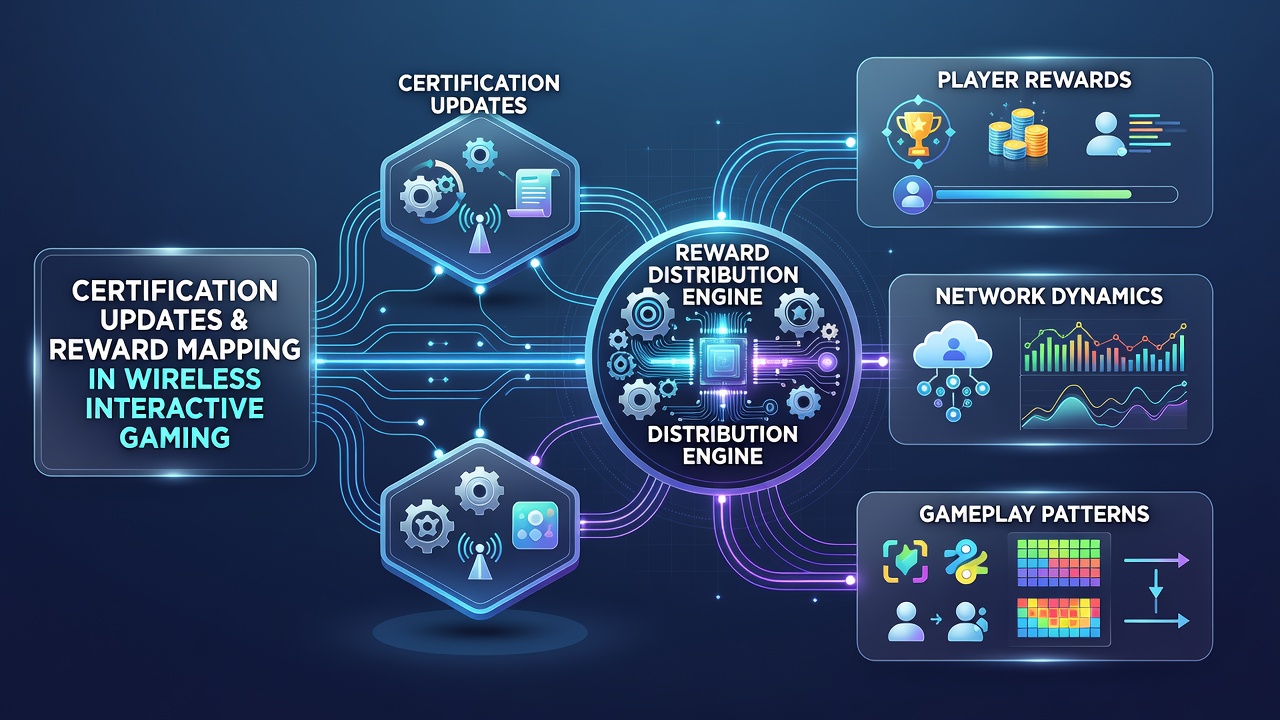
According to findings published by the Nevada Gaming Control Board, wireless environments that integrated the latest certification modules displayed reduced variance in jackpot accumulation rates during the first quarter following implementation. Those who've studied these environments know that the mapping process involves overlaying timestamped reward events onto network topology diagrams, which highlights how certification-driven changes propagate through distributed server clusters. What's interesting is that these maps frequently show geographic variations in reward patterns tied to regional certification timelines rather than uniform global shifts.
Analytical Techniques Used to Track Distribution Changes
Analysts employ graph-based visualization tools to map reward flows before and after certification updates, connecting individual player sessions to aggregate payout nodes within the wireless architecture. These techniques allow observers to identify when certification requirements introduce new constraints on maximum win frequencies, which then manifest as altered reward density in specific game modes. Evidence suggests that machine learning models trained on historical certification data can predict the direction of distribution changes with increasing accuracy as more update cycles complete.
Industry reports from the Interactive Games and Entertainment Association indicate that wireless operators now maintain dedicated mapping teams tasked with documenting reward pattern evolution across certification milestones. These teams compile datasets that include session duration, reward size, and network latency metrics, then compare results against baseline measurements established prior to each update. The resulting maps provide operators with actionable information for fine-tuning compliance without disrupting player engagement metrics.
Conclusion
Certification updates continue to function as primary drivers of reward distribution evolution in wireless interactive gaming environments, and systematic mapping provides the clearest view of resulting pattern changes. Data collected through October 2026 demonstrates consistent correlations between protocol revisions and shifts in reward allocation timing, frequency, and scale across distributed mobile platforms. Organizations that invest in detailed tracking methods gain precise insight into how compliance requirements translate into operational adjustments at the reward engine level.