How Transaction Security Protocols Influence Multiplayer Table Access in Portable Gaming Setups from Established Providers
Theo Long · Oct 6, 2026
How Transaction Security Protocols Influence Multiplayer Table Access in Portable Gaming Setups from Established Providers
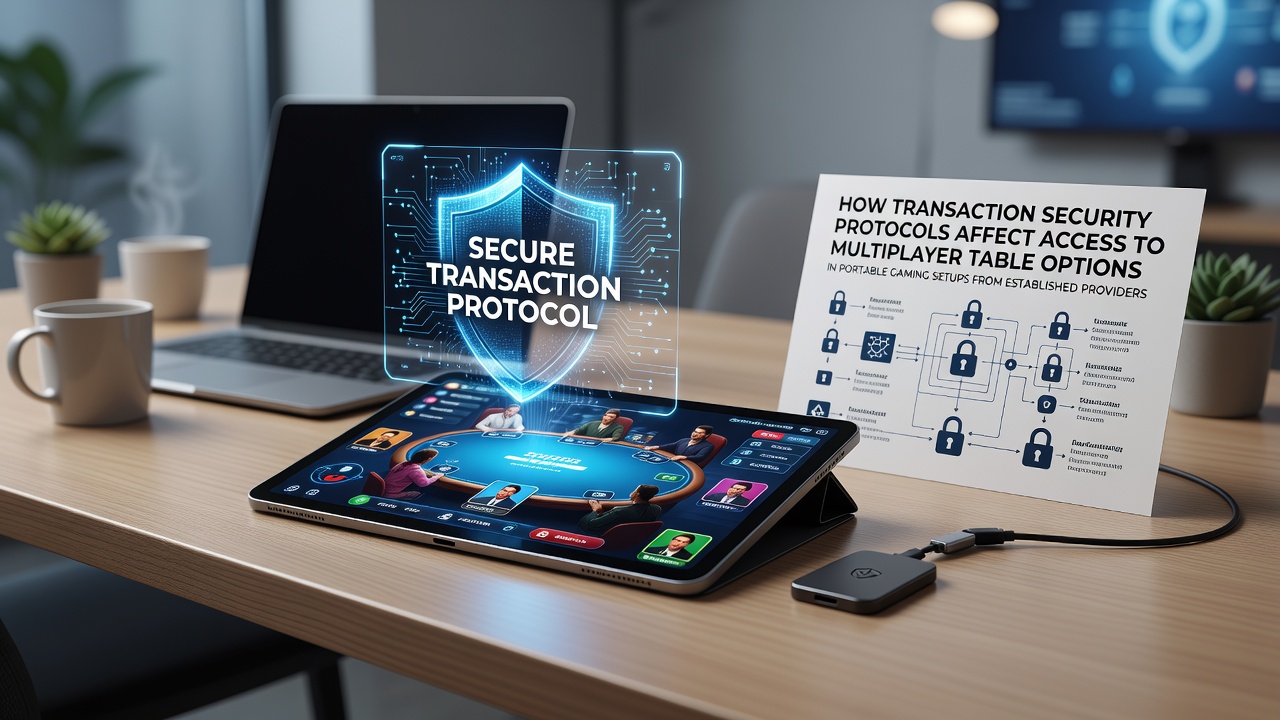
Transaction security protocols form the backbone of financial operations in portable gaming environments, and they directly shape whether users gain entry to multiplayer table options on devices from major providers. These protocols encompass encryption standards, authentication layers, and compliance frameworks that verify payment integrity before any game session begins. Data from industry reports shows that stricter security measures often create additional verification steps, which in turn gatekeep access to real-time multiplayer features on tablets and smartphones.
Core Elements of Transaction Security in Gaming Networks
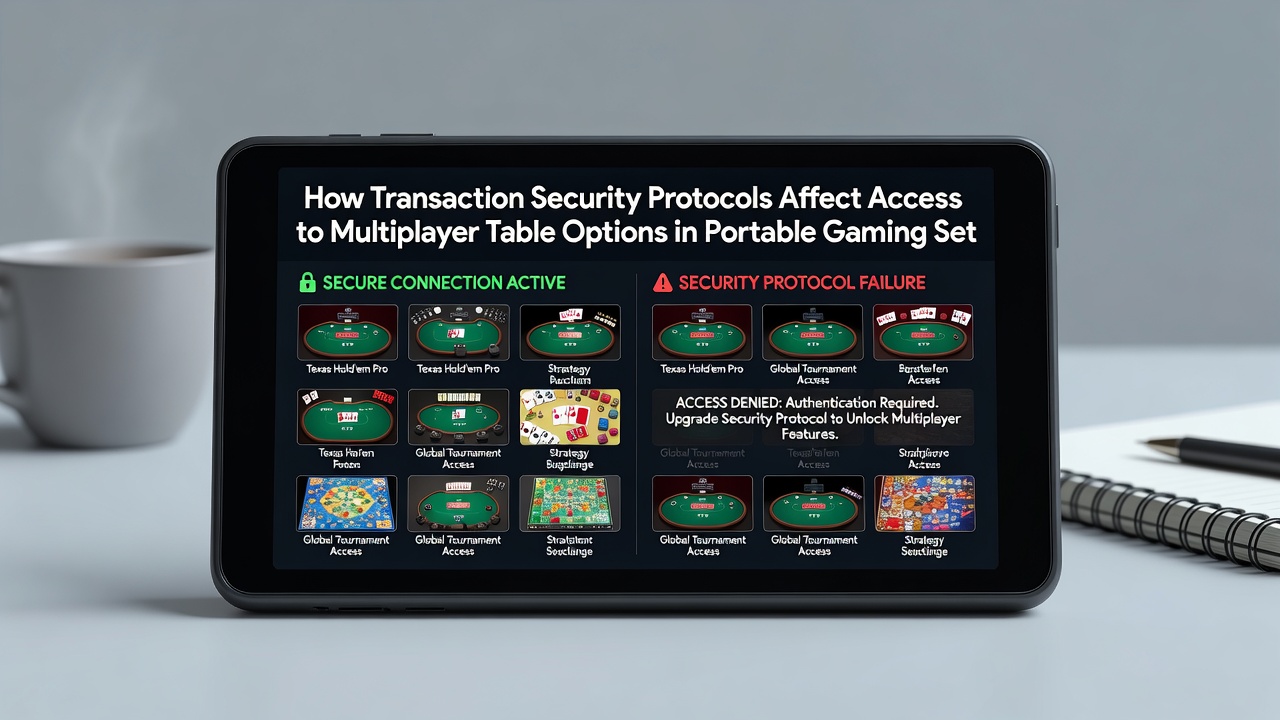
Established providers implement protocols such as TLS 1.3 encryption alongside tokenization systems that replace sensitive card details with unique identifiers, and these mechanisms ensure data remains protected during transfers between portable devices and central servers. When a user attempts to join a multiplayer table, the system checks compliance with these standards first, and failure to meet criteria results in blocked access until the device or account satisfies the requirements. Researchers have documented cases where older mobile operating systems fail compatibility tests, leading providers to restrict table options until users update their setups.
Authentication processes add another layer, and many networks now require multi-factor verification tied to transaction histories before unlocking social or competitive table modes. Figures from regulatory analyses indicate that such steps reduce unauthorized entries yet also limit spontaneous participation on portable hardware that lacks biometric support. Providers balance these controls by integrating them into app updates, which roll out gradually across regions.
Effects on Portable Device Compatibility and Access
Portable gaming setups from leading companies often face compatibility hurdles because security protocols demand specific hardware capabilities, such as secure enclaves for key storage or updated firmware that supports advanced cryptographic functions. Users on mid-range tablets encounter restricted multiplayer tables more frequently than those on flagship devices, since the latter handle protocol overhead without performance drops. Evidence suggests that in regions with high mobile adoption, providers adjust thresholds to maintain broader access while upholding security baselines.
Network latency introduced by encryption checks further complicates real-time table interactions, and players report delays when protocols run background verifications during match joins. Providers address this through optimized servers that process transactions in parallel with game logic, although portable connections over variable cellular networks still experience occasional interruptions. As of October 2026, several providers plan phased rollouts of enhanced protocol versions that prioritize low-latency mobile environments without compromising verification standards.
Regional Variations and Provider Adaptations
Different markets apply distinct compliance rules that affect how protocols translate into access policies, and providers tailor their portable offerings accordingly. In North America, frameworks emphasize consumer data protection that aligns transaction checks with device location services, whereas European networks integrate broader digital transaction directives that influence table availability based on cross-border payment validations. Australian regulatory updates have prompted similar adjustments, where providers limit certain multiplayer options until full protocol certification completes on portable units.
One study from academic researchers at a major North American institution revealed that adaptive security layers allow selective table access, granting entry to verified accounts while holding others in queue until secondary checks pass. This approach maintains system integrity across diverse device ecosystems from established suppliers. Providers also monitor emerging standards, such as those outlined in cybersecurity frameworks by national institutes, to anticipate changes that could further refine portable access patterns.
Future Developments and Industry Trends
Industry observers note ongoing refinements in protocol design that aim to minimize friction for portable users seeking multiplayer tables, including streamlined token exchanges that reduce authentication time. Data indicates gradual improvements in access rates as hardware catches up to security demands, particularly among providers who invest in cross-device testing. Yet the core relationship remains: robust transaction safeguards continue to determine eligibility for these interactive features.
Conclusion
Transaction security protocols establish clear boundaries around multiplayer table options in portable gaming from established providers, and they enforce compliance through layered checks that prioritize data protection. These measures influence device compatibility, regional availability, and user workflows in measurable ways, with ongoing adaptations expected through late 2026 and beyond. Providers respond by refining implementations to sustain access while meeting evolving requirements across global networks.