How Provider Algorithms Shape Loyalty Reward Timing Across Mobile Table Game Sessions and Secure Withdrawal Options
Mia Koch · Nov 17, 2026
How Provider Algorithms Shape Loyalty Reward Timing Across Mobile Table Game Sessions and Secure Withdrawal Options
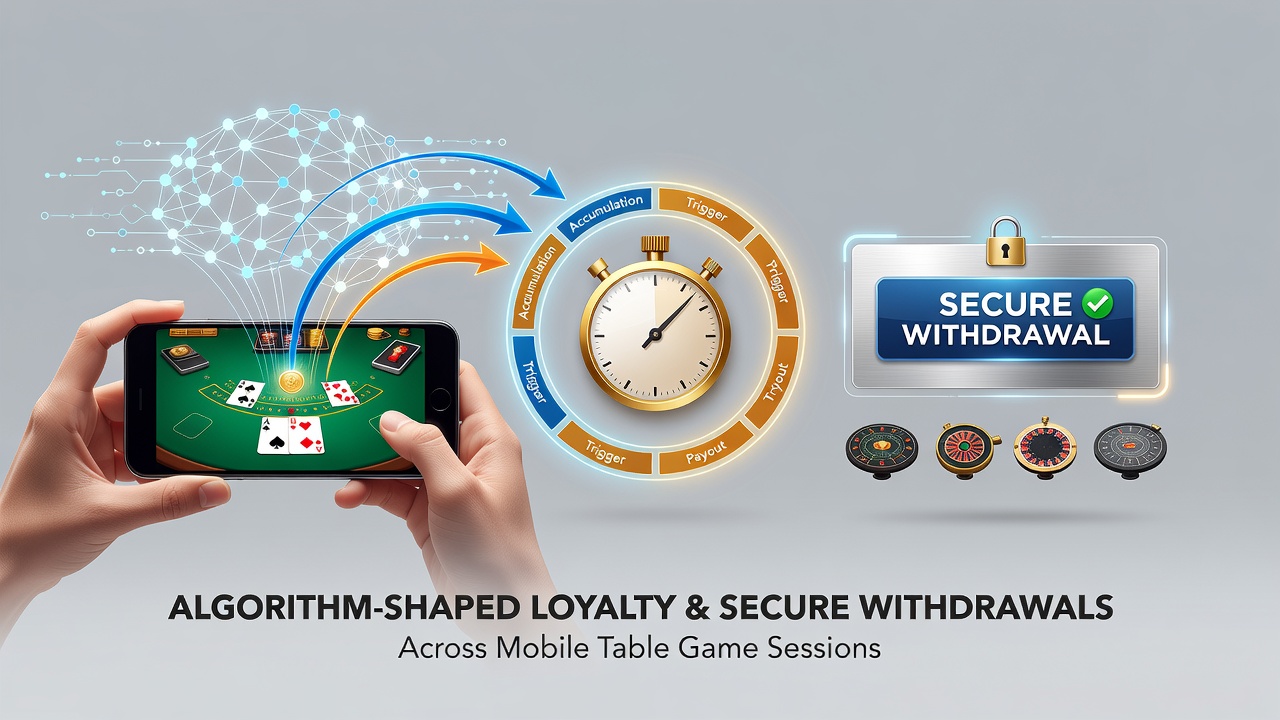
Provider algorithms determine the precise moments when loyalty rewards activate during mobile table game sessions, and these same systems coordinate with payment gateways to maintain secure withdrawal pathways for users across different regions. Data from industry reports indicates that machine learning models track variables such as bet frequency, session duration, and game type to schedule point accruals or bonus triggers without interrupting gameplay flow.
Algorithm Mechanics in Mobile Table Environments
Software providers deploy decision trees and neural networks that process real-time inputs from player devices, and these models adjust reward timing based on patterns observed across thousands of sessions each day. Researchers at institutions like the University of Nevada have documented how such systems prioritize rewards after specific thresholds, for instance granting loyalty points immediately after a player completes ten consecutive hands in blackjack on a smartphone app. The algorithms also factor in device type and connection stability to avoid delays that might occur during peak mobile network loads.
Secure withdrawal options integrate directly with these reward engines because providers link loyalty balances to verified payment accounts, which means a user who reaches a reward milestone can initiate a withdrawal request that the system validates against the same security protocols used for initial deposits. This linkage reduces processing times while maintaining compliance standards set by bodies such as the New Jersey Division of Gaming Enforcement.
Timing Patterns Across Table Game Sessions
Session data reveals that algorithms often cluster loyalty rewards around natural breaks in table game play, such as after a round concludes or when a player switches tables within the same app. Observers note that this approach keeps engagement levels steady because the reward notification appears as part of the game interface rather than as a separate pop-up that could distract from strategic decisions. In European markets, providers have synchronized these triggers with time-zone data to align with local peak hours, which studies from the European Gaming and Betting Association show leads to higher redemption rates for accumulated points.
November 2026 marks the rollout of updated certification requirements in several jurisdictions, and these changes will require providers to log every reward timing decision for audit purposes, thereby increasing transparency around how algorithms prioritize one player segment over another during mobile sessions. Providers must now demonstrate that reward distribution does not favor high-volume users exclusively, which involves recalibrating the underlying models to include broader behavioral metrics.
Secure Withdrawal Integration and Compliance
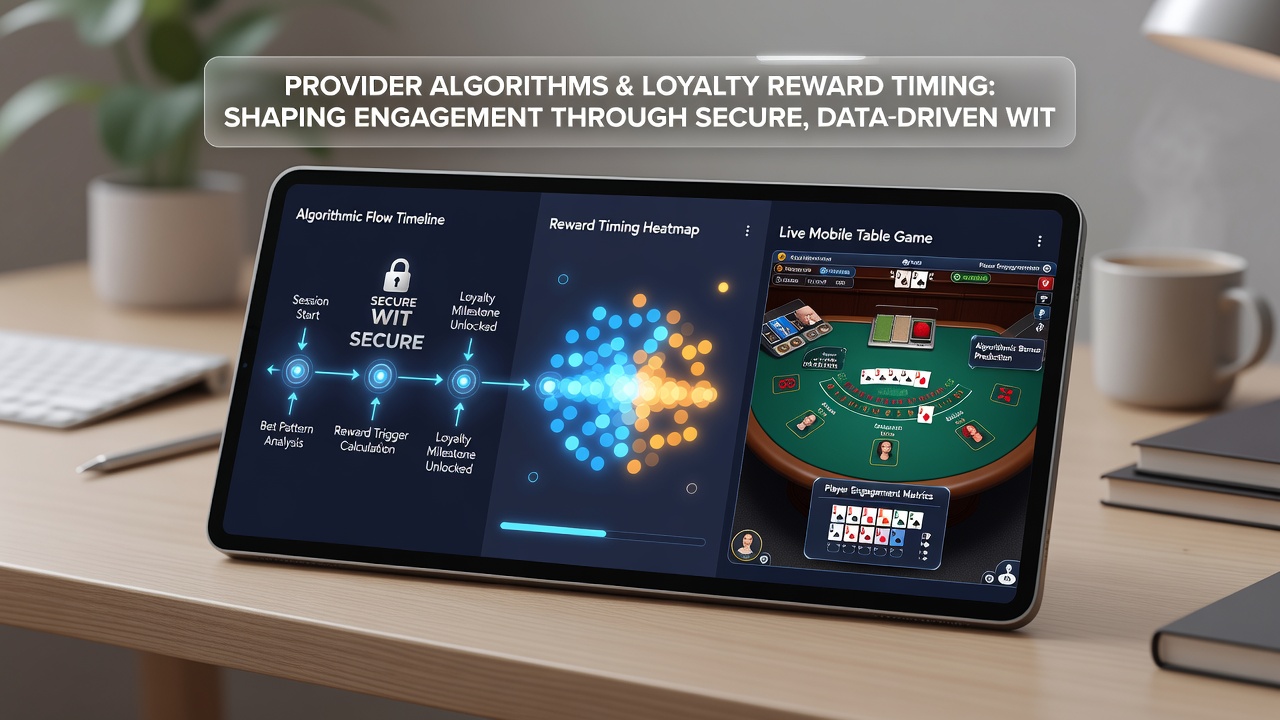
Withdrawal security relies on multi-factor authentication layers that the same algorithms reference when releasing loyalty funds, and this process includes cross-checks against session history to flag unusual activity before funds leave the platform. Providers in Australia and Canada have adopted similar frameworks, where data from the Australian Communications and Media Authority indicates that integrated systems cut average withdrawal verification times by up to 30 percent compared with separate reward and payment modules.
Those who manage these platforms report that algorithms continuously update risk scores based on withdrawal frequency and reward redemption patterns, which allows the system to approve or hold transactions without manual intervention in most cases. This automation maintains regulatory alignment while supporting the volume of mobile table game activity that has grown steadily since 2024.
Regional Variations and Data Trends
North American providers tend to emphasize real-time reward timing tied to progressive loyalty tiers, whereas Asian markets often schedule rewards at fixed intervals within longer sessions to match cultural preferences for extended play periods. Figures from industry analyses show that these regional differences stem from local regulatory mandates rather than purely technical choices, and providers adjust their core algorithms accordingly during app updates.
Secure withdrawal pathways benefit from this adaptability because algorithms can route requests through region-specific banking partners while preserving the same encryption standards across all locations. The result is a unified backend that handles both reward distribution and fund releases without creating separate code paths that could introduce vulnerabilities.
Conclusion
Provider algorithms continue to refine how loyalty rewards appear during mobile table game sessions, and their connection to secure withdrawal systems ensures that players experience consistent processing regardless of when rewards activate. As November 2026 approaches, upcoming certification updates will further shape these mechanisms, requiring providers to maintain detailed records that demonstrate fair timing practices and robust security across all supported platforms. Data from multiple regulatory sources confirms that these integrated approaches support both player retention and compliance goals in an expanding mobile gaming landscape.